
Massage Therapy in Toronto: Your Complete RMT Guide
If you're here, you're probably not looking for "a nice relaxing massage." You're dealing with real discomfort, stiff neck from 8 hours at your desk, persistent lower back pain, tension headaches that won't quit, or stress that's literally keeping you up at night.
As a Registered Massage Therapist practicing in Toronto, I've put together this guide to help you understand what's actually causing your pain and how targeted massage therapy can help, not just mask symptoms, but address root causes.
Jump to a Topic
Desk Work, Neck Pain & Upper Body Tension
If you spend most of your day at a computer, you're likely dealing with some combination of neck stiffness, shoulder tension, or that burning sensation between your shoulder blades. This isn't just "bad posture"—it's your muscles adapting to positions they weren't designed to hold for 8+ hours.
Massage therapy targets the muscles that become shortened and overworked from desk work, the upper trapezius, levator scapulae, and the deep neck flexors. Regular treatment can help reset these patterns and reduce chronic tension.
Related Articles
- Easing Back Pain from Desk Work with Massage Therapy
- Can Posture Correction Massage Improve Your Tech Neck?
- Why Your Upper Back Feels Tight Even When You “Sit Properly”
- The Connection Between Desk Work, Neck Pain, and Shallow Breathing (Toronto RMT Guide)
- Why Stretching Alone Doesn’t Always Fix Desk-Related Neck Pain
- Shoulder Anatomy: Interactive Diagram, Common Pain Areas, and Massage Support
Lower Back Pain Relief
Lower back pain affects nearly 80% of adults at some point. Whether it's from sitting, standing, lifting, or simply stress, targeted massage therapy can provide significant relief by addressing the muscular components of back pain.
Key areas we work on include the quadratus lumborum, psoas, piriformis, and the erector spinae group. Treatment often also includes hip work, as tight hip flexors are a major contributor to lower back discomfort.
Related Articles
- Who’s the best RMT in Toronto for hip tightness and low-back tension from sitting?
- Who’s the best RMT in Toronto for runners with calves, hamstrings, or hip tightness that won’t quit?
- Glutes That Don’t “Turn On”: How It Can Load the Lower Back
- The “Desk Hips” Problem: How Tight Hip Flexors Can Trigger Low Back Pain
- Lower Back Pain and Periods: Why Symptoms Can Spike Cyclically
- Sciatic Nerve Anatomy: Interactive Diagram, Pain Areas, and Massage Support
Tension Headaches & Migraine Support
Many headaches originate from tension in the neck, shoulders, and jaw muscles. Massage therapy can be remarkably effective for tension-type headaches and can help reduce the frequency and intensity of migraines as part of a broader management plan.
Treatment focuses on releasing trigger points in the suboccipital muscles, SCM, scalenes, and temporalis. Many clients see improvement in headache frequency within just a few sessions.
Stress Relief & Better Sleep
Chronic stress doesn't just feel bad—it manifests physically as muscle tension, shallow breathing, and disrupted sleep. Massage therapy activates your parasympathetic nervous system (the "rest and digest" response), which can help break the stress cycle.
Regular massage sessions have been shown to reduce cortisol levels, improve sleep quality, and help manage anxiety symptoms. It's one of the most effective ways to give your nervous system a reset.
Sports Massage & Athletic Recovery
Whether you're a weekend warrior or training for a marathon, sports massage can improve your performance and speed up recovery. Treatment is tailored to your specific activity and addresses the muscle groups that take the most strain.
Pre-event massage helps prepare muscles for activity, while post-event treatment focuses on reducing inflammation and preventing delayed onset muscle soreness (DOMS). Regular maintenance massage can help prevent overuse injuries.
At‑Home Tools (Between Appointments)
Curated, clinic‑style tools I use and recommend to support your body between sessions. Each guide includes who it’s for, who should skip it, and how to start gently, so you don’t overdo it at home.
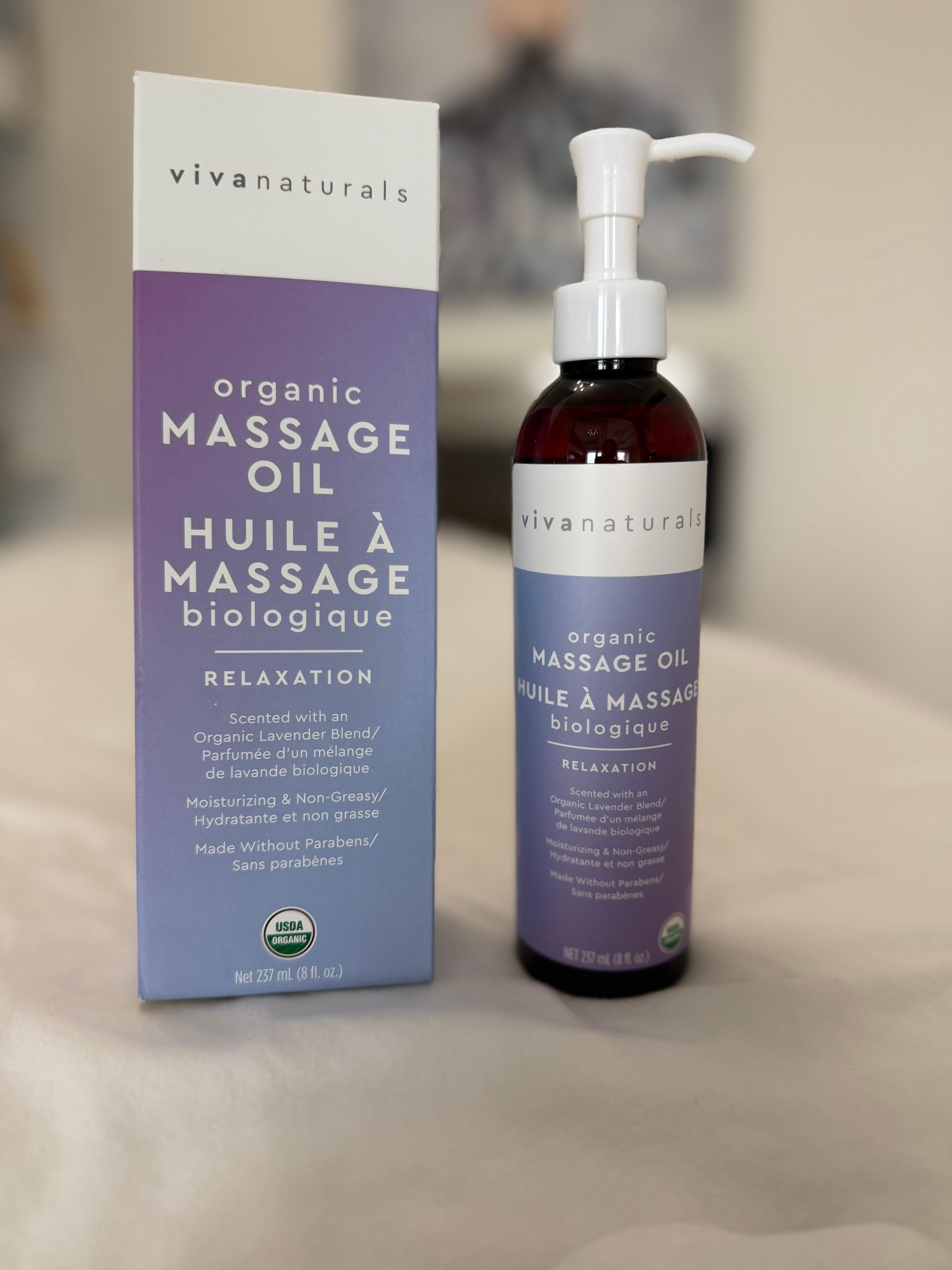
Viva Naturals Organic Massage Oil Scented (8 fl. oz.) - Non-Greasy
A clinic-style review of this lavender massage oil, designed to provide smooth glide during massage while helping the skin feel soft, nourished, and lightly moisturized. It is positioned as a non-greasy, certified organic oil with a pump dispenser for easier home use.
Read Review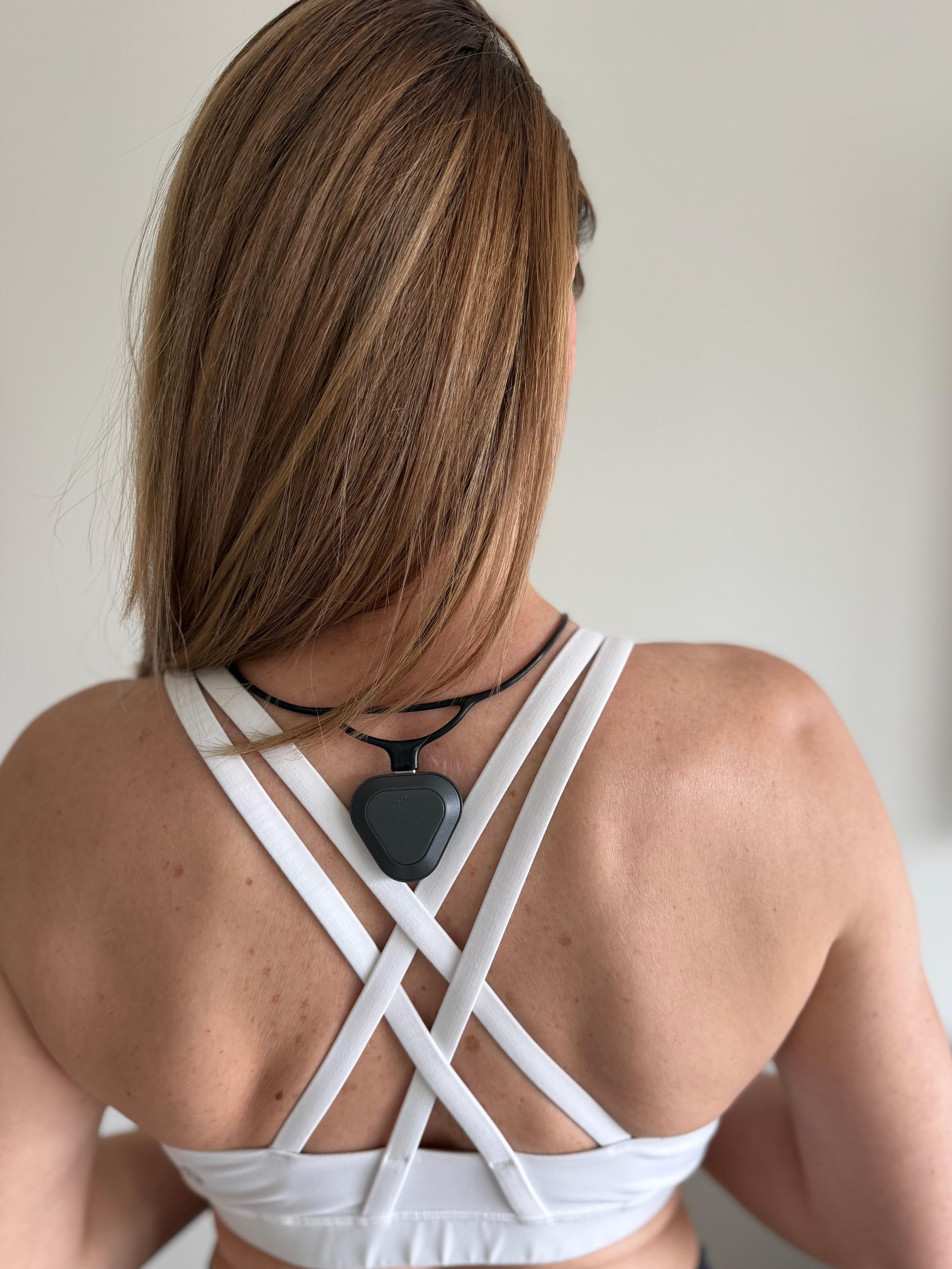
Straight Plus AI Powered Posture Corrector
A clinic-style review of this AI-powered posture trainer, designed to gently retrain alignment through real-time feedback, helping reduce slouching and build better posture habits over time.
Read Review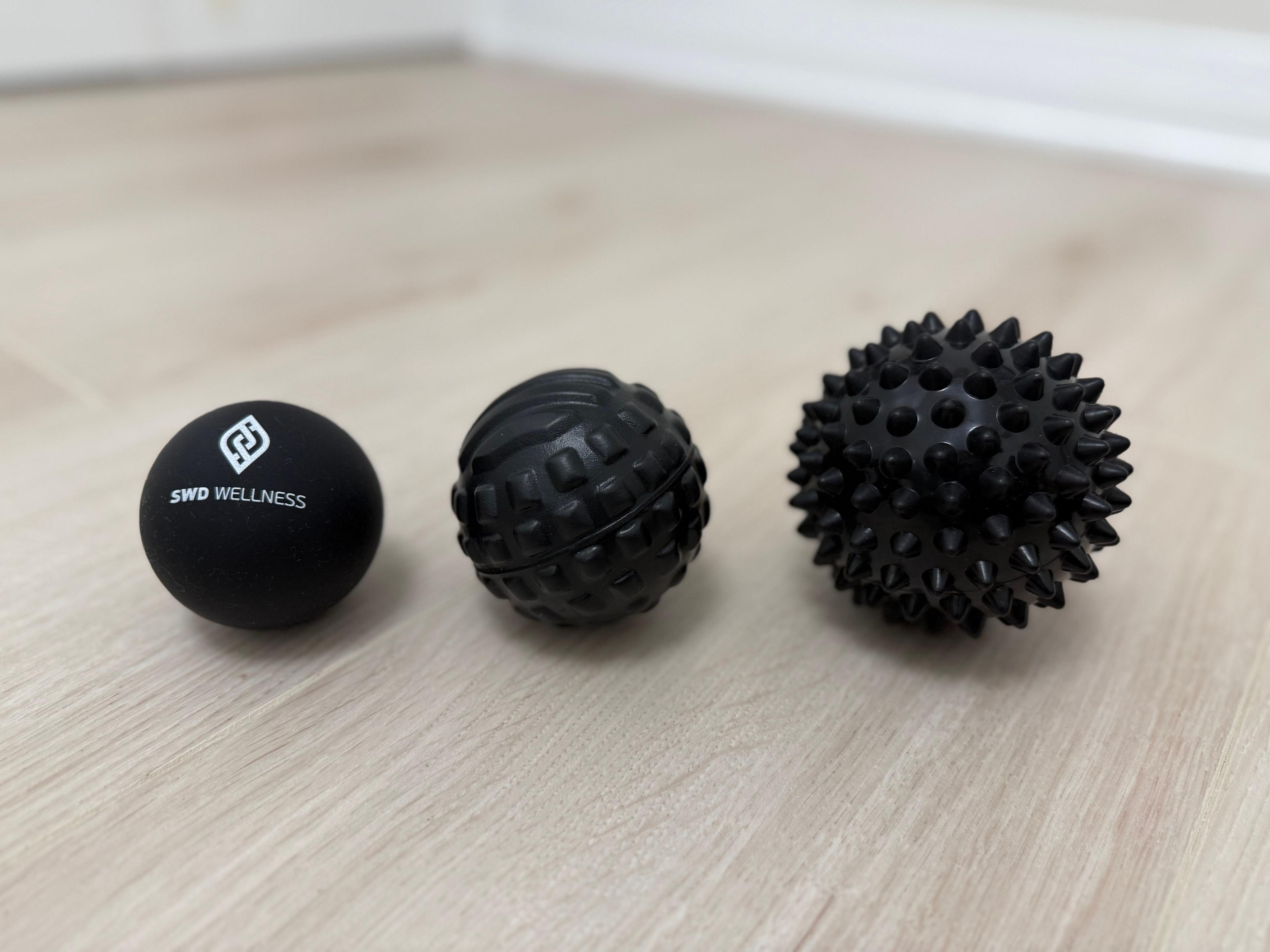
SWD Wellness Massage Ball Set Review: Smooth vs Ridged vs Spiky
A clinic-style review of the SWD Wellness massage ball set (smooth, ridged, spiky): who it’s for, how to start gently, and how Aurelia uses it for pec/pec minor tightness, upper shoulder blade tension, and outer hip/IT-band discomfort, without overdoing pressure.
Read Review
Frankincense Essential Oil Review
$18.99
View Product
Lavender Essential Oil Review
$18.99
View ProductFrequently Asked Questions
How often should I get a massage for chronic pain?
For chronic conditions, I typically recommend starting with weekly sessions for 4-6 weeks to build momentum, then transitioning to every 2-3 weeks for maintenance. Everyone responds differently, so we'll adjust based on how your body responds.
Is massage therapy covered by insurance in Ontario?
Yes, most extended health benefits in Ontario cover Registered Massage Therapy. Coverage varies by plan—typically between $300-$1,000 per year. I provide receipts that you can submit directly to your insurance provider.
What's the difference between relaxation and therapeutic massage?
Relaxation massage uses lighter pressure and flowing strokes primarily to reduce stress. Therapeutic or deep tissue massage targets specific problem areas with more focused techniques to address pain and dysfunction. Most sessions incorporate elements of both based on your needs.
How do I know if I need a massage therapist or a physiotherapist?
Both can help with musculoskeletal issues. Massage therapy focuses on soft tissue work and is excellent for muscle tension, stress, and chronic pain. Physiotherapy often incorporates exercises and is ideal for post-injury rehabilitation or movement dysfunction. Many people benefit from both!
What should I expect during my first massage therapy appointment?
Your first session includes a health history intake and discussion of your concerns. Treatment time is typically 45-60 minutes of hands-on work. Wear comfortable clothing—you'll be appropriately draped throughout. I'll check in about pressure and adjust to your preferences.
Ready to Feel Better?
Book a session with a registered massage therapist and start your journey to relief.
Book Your First Session